What Are the Different Generations Called and Their Years?
What Are the Different Generations Called and Their Years?
Each generation reflects the shared experiences, cultural influences, and pivotal events that shape the values, behaviors, and worldviews of people born within a roughly stable time window. Spanning decades, these generational labels provide a powerful framework for understanding shifting societal norms, technological adoption, and generational perspectives. From the postwar transformative Baby Boomers to the digitally native Gen Z, each cohort carries distinct imprints of their era—what historians and sociologists analyze to explain cultural evolution.
The precise dating of these generations varies slightly by region and institution, but broad consensus exists on key timelines that guide sociological and market research.
Understanding the Core Generational Cohorts and Key Years
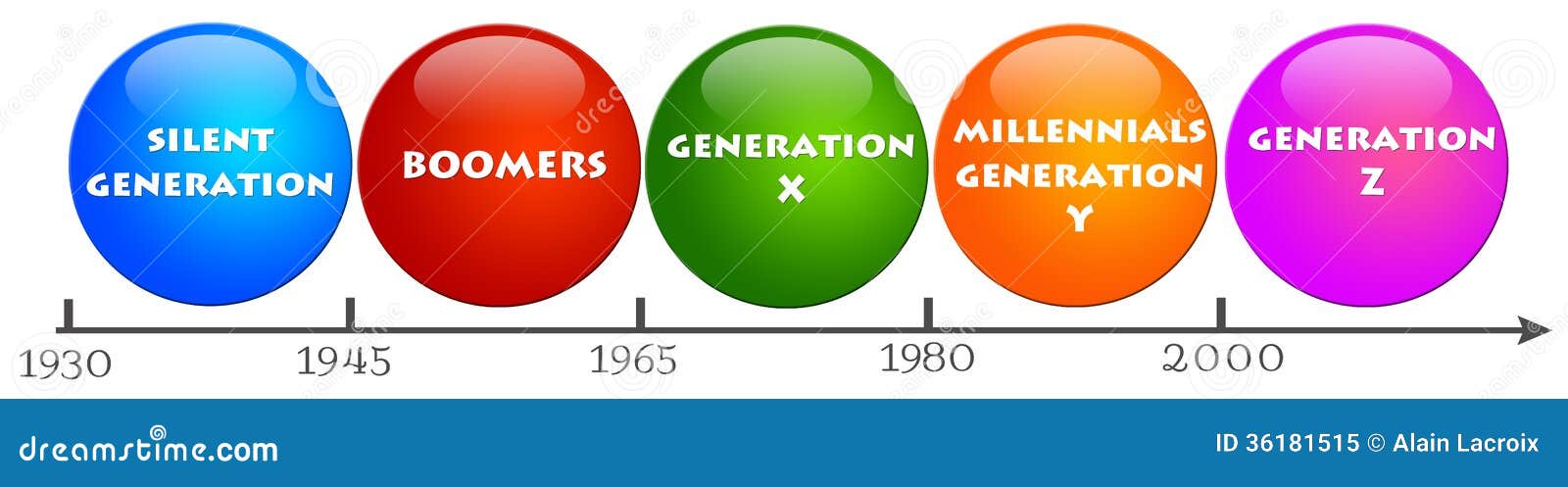
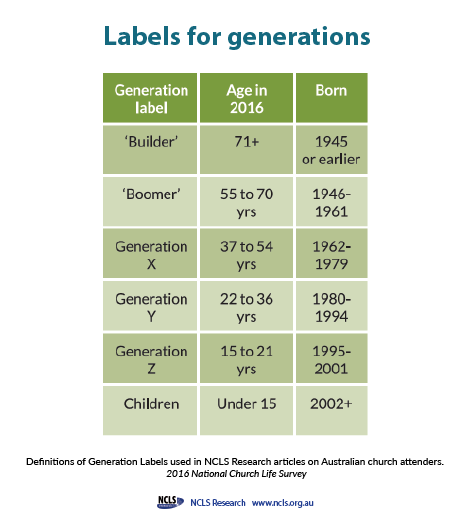
The widely accepted classification of generations in sociological discourse includes six main groups, each anchored to a specific birth window. These generational labels are not rigid bydate but represent approximate cohorts whose formative years overlapped with major historical and technological shifts.- **Silent Generation** – Typically defined as those born between 1928 and 1945. This generation came of age during the Great Depression and World War II, forging values rooted in discipline, duty, and frugality. As sociologist Karl Mannheim argued, “A generation lives by the experiences its formative years make inevitable,” and the Silent Generation embodied resilience in the face of global upheaval.
- **Baby Boomers** – Spanning from 1946 to 1964, Baby Boomers emerged during a period of postwar economic expansion and civil rights progress. The sheer size of this cohort—over 70 million in the United States—had profound societal impact, shaping everything from labor markets to consumer trends. Boomers were defined by optimism and social change, catalyzing movements for equality, environmental awareness, and educational access.
As historian Arthur Schlesinger Jr. noted, “The Baby Boom shaped a generation turned activist.” - **Generation X** – Born roughly between 1965 and 1980, Gen X is often characterized by independence and adaptability, growing up during economic volatility and the rise of personal computing. Often described as “latchkey kids,” they come of age at a time when both familial structures and workplace cultures began shifting toward flexibility.
Their nickname “midnight sumo” references their “cheeky resilience,” navigating life amid shifting parental employment and the dawn of the digital era. - **Millennials (Generation Y)** – From 1981 to 1996, Millennials entered adulthood as the first “digital natives,” coming of age with the internet fully integrated into daily life. This generation witnessed the rise of globalization, social media’s emergence, and major economic challenges like the 2008 financial crisis.
Known for values centered on purpose, work-life balance, and social justice, Millennials reflect a shift toward individualism and digital connectivity that continues to influence culture and commerce. - **Generation Z** – Born from 1997 to 2012, Gen Z represents the earliest cohort to grow up immersed in smartphones, streaming platforms, and real-time information. Driven by a deeply interconnected world, they are marked by pragmatic skepticism, entrepreneurial spirit, and heightened awareness of climate change and social equity.
Unlike earlier generations, Gen Z’s formative years unfold largely in a mobile digital landscape, redefining communication and identity. - **Generation Alpha** – The youngest recognized cohort, born from 2013 onward, consists largely of children whose early lives have been shaped by AI, machine learning, and immersive digital environments. While still emerging in demographic profiles, Alpha is anticipated to grow into a generation defined by hyper-personal technology, increased early childhood automation, and a blurring of physical and virtual realities.
Their full societal impact remains unfolding, but early indicators suggest a break from even prior digital fluency—step into a normalized augmented reality. These generational markers are not mere labels but living frameworks that help explain how time, technology, and crisis shape collective identity. Each generation, rooted in its historical crucible, contributes distinct perspectives that collectively drive societal change.
As sociologist Karl Mannheim observed decades ago, “Each generation lives by a shared consciousness formed by its universal experience.” Understanding these generations’ birth years and defining moments offers clarity on the evolving dynamics shaping modern life—from consumer behavior to workplace culture. Beyond broad categorizations, the generational timeline reveals subtle differences in values and priorities. While Baby Boomers sought transformation through activism, Gen X values independence and work-life integration; Millennials prioritize meaningful work and sustainability, while Gen Z emphasizes digital fluency and inclusivity.
Generation Alpha, still defined by early exposure to AI and immersive tech, may redefine learning, entertainment, and social engagement in ways that adaptors can scarcely imagine. Why these specific birth windows matter is simple: they capture pivotal societal transitions—wars, recessions, technological breakthroughs—that collectively form the foundation of generational identity. The 1946 baby, the 1964 Boomer, and the 2013 Alpha did not choose their times, but how those times shaped them is discernible in their outlooks, attitudes, and life choices.
Recognizing these generational contours enables educators, business leaders, and policymakers to navigate change with greater empathy and insight. As society evolves, so too will the boundaries and identities of these generations. Yet the four decades between births still provide a consistent lens through which to interpret cultural shifts, economic trends, and political movements.
From the adherence to hierarchy in the Silent Generation to the tech-driven fluidity of Gen Alpha, each generation answers to its era—but also crafts the future that follows. Understanding the generations is not about pigeonholing—but about illuminating the shared human experience across time. Each label, from Silent to Alpha, carries echoes of history, resonances of change, and blueprints for tomorrow.
In recognizing where each began and how they grew, we gain a richer, more nuanced view of the forces shaping the world we live in.


Related Post

Henry Winkler Home: Where Creativity, Care, and Community Converge

John Nettles Rewrites the Language of Rebellion: How One Poet Forges a Voice for the Marginalized
Meet Scott Bakulas: The Man Behind Marcus Rosone in <i>NCI: New Orleans</i>—A Deep Dive into a Cult Icon’s Career

Unraveling The Elegance Of Taylor Swift's Black Dress: Where Minimalism Meets Timeless Grit