Are There Homeless in Dubai? Unveiling the Hidden Faces of a Modern Metropolis
Are There Homeless in Dubai? Unveiling the Hidden Faces of a Modern Metropolis
Behind Dubai’s towering skyscrapers, glittering malls, and world-class infrastructure lies a quiet reality: homelessness exists in one form or another, though it remains largely invisible beneath layers of economic success and urban sophistication. While Dubai is globally celebrated as a hub of opportunity, displaced individuals navigate a shadowed urban landscape defined by temporary shelters, sudden crises, and quiet struggles often hidden from public view. This article reveals the complex and nuanced reality of homelessness in the city, examining its causes, demographics, and the invisible networks supporting affected communities.
Contrary to misconceptions shaped by the city’s polished image, homelessness in Dubai is not a monolithic crisis but a multifaceted social challenge. It encompasses a spectrum of experiences—each shaped by immigration, economic displacement, mental health struggles, and housing instability. Government data and on-the-ground reports indicate an estimated 3,000 to 5,000 individuals experiencing homelessness at any given time, though precise numbers are difficult to verify due to the transient and often stigmatized nature of the population.
Who Are Dubai’s Homeless?
Demographics and Origins
The homeless demographic in Dubai reflects the city’s demographic makeup—predominantly foreign nationals, particularly from South Asia, the Middle East, and Africa. Workers in construction, hospitality, and domestic services face acute housing insecurity due to low-wage contracts, rent-to-own schemes, and limited access to formal housing benefits.
- Domestic Workers: Thousands of foreign live-in workers—especially domestic employees—live in shared or overcrowded accommodation, vulnerable to exploitation and sudden job loss, which often triggers displacement. - Formerly Homeless Youth: Despite strict laws against loitering, street youth—often former residents of education or child protection systems—may fall through institutional gaps, lacking stable support networks.- Mental Health and Addiction Challenges: A portion of the homeless population suffers from untreated mental illness or substance dependency, exacerbated by breaks in medical care and social support during crises. - Economic Vulnerability: Expatriates and locals alike facing unemployment, medical emergencies, or divorce may lose housing rapidly in a city where rent constitutes up to 50% of monthly income for many workers.
The Invisible Struggles: Daily Realities on Dubai’s Streets
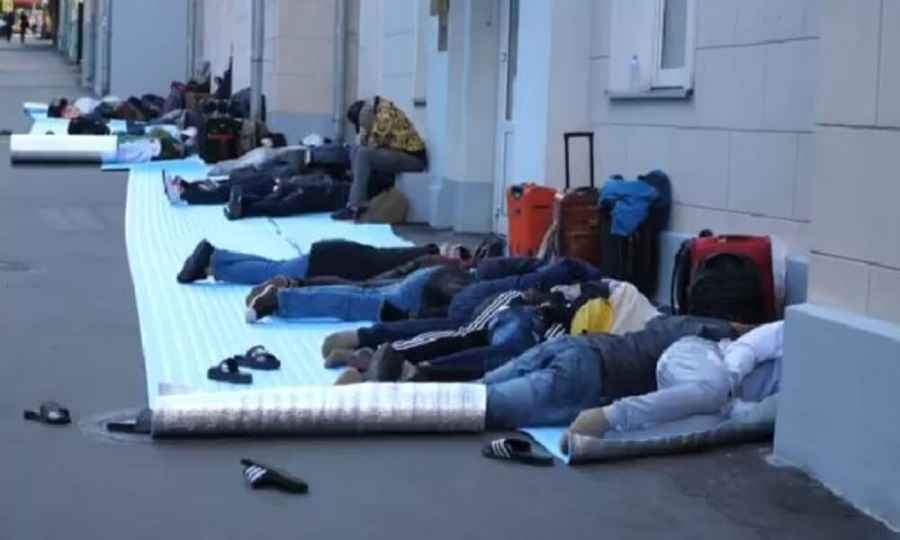
Homelessness in Dubai unfolds not in media spotlights, but in discreet corners—tiny shelters under flyovers, temporary living spaces in storage facilities, or makeshift encampments near expansion zones where infrastructure projects disrupt vulnerable populations.
Unlike more visible homeless populations elsewhere, Dubai’s homeless often avoid public exposure due to legal risks, stigma, and limited outreach.
- Shelters and Transitional Housing: Government-run and NGO-supported shelters, such as those operated by the Dubai Welfare Association, offer short-term refuge but struggle with capacity and accessibility issues. - Stigma and Systemic Barriers: Many avoid official shelters due to fears of detention or deportation, particularly non-citizens subject to strict residency laws. - Emergency Crises: Temporary spikes occur during natural disasters, economic downturns, or seasonal labor migrations, when hundreds lose jobs and housing overnight.Behind the Numbers: Policy, Response, and Hidden Efforts
Dubai’s leadership has increasingly acknowledged homelessness as a pressing social issue, introducing targeted initiatives to address housing gaps. The government administers affordable housing programs for citizens and authorized workers, with quotas allocated under the Golden Visa and Employment Visa frameworks. Yet systemic challenges persist.
- Affordable Housing Supply: While thousands of subsidized apartments are available, eligibility criteria often exclude temporary or gig economy workers, leaving informal laborers underserved.- NGO and Community Contributions: Organizations like Habitat for Humanity, KAICA, and local charities supplement state efforts with outreach, medical aid, and vocational training. “We’re not just providing shelters—we’re rebuilding dignity,” says Dr. Amal Al Misabi, a social worker with Dubai Cares.
- Legal and Humanitarian Constraints: Strict residency laws and anti-loitering ordinances complicate harm reduction, pushing homeless individuals deeper into invisibility rather than into support systems.
What the Public Doesn’t See: The Human Face of Homelessness
Photographs and personal testimonies reveal faces that defy stereotypes—business analysts sleeping at desks, mothers balancing multiple odd jobs, youth sketching hopeful futures in alleyway cafes. These stories, rarely shared in mainstream discourse, underscore the tension between Dubai’s global image and its domestic vulnerabilities.
- Case Example: In 2023, a Syrian refugee worker detailed how a layoff led to eviction from a shared flat, resulting in five months of living in a community kitchen near Dubai International Airport.“Every job, every rent check was a battle,” he said. “You don’t just sleep—you plan, day by day.” - Women and Children: Female-headed households are particularly vulnerable, with limited access to safe housing and higher exposure to exploitative situations. - Youth and Mental Health: Young adults often hide symptoms of depression or anxiety, fearing institutional scrutiny or family shame, delaying critical intervention.
A City in Transition: Balancing Progress and Compassion
Dubai’s future hinges not only on its skyline but on how it manages inclusion and equity for all its residents. While economic growth continues, the hidden faces of homelessness challenge the narrative of universal prosperity. Addressing this issue demands coordinated action—expanding legal protections, increasing affordable housing quotas, and dismantling stigma through public awareness.
Only then can a metropolis of global stature truly reflect the dignity it claims to uphold.
The hidden faces of Dubai’s modern metropolis are not an anomaly but a mirror—reflecting the pressures of ambition, the limits of systems, and the enduring need for compassion in a city built on ambition.
Related Post

From Humble Beginnings to Stardom: The Unforgettable Journey of Alexi

NPR Uncovers How Climate Change Is Reshaping America’s Water Future

Seattler4R: Revolutionizing Urban Sustainability at Seattler4R

Lisa Pemberton Was Paul Ankas’ Third Wife — A Rare Blend of Family, Legacy, and Quiet Influence